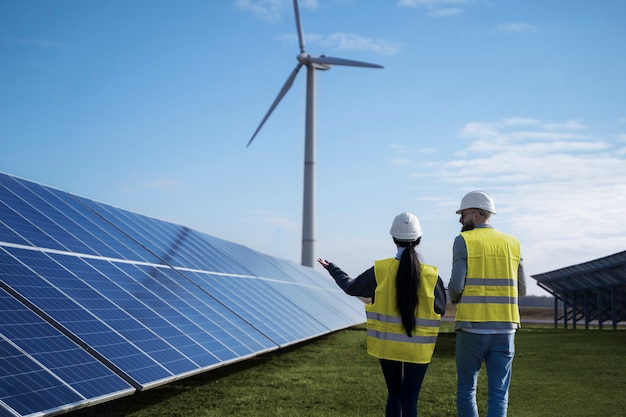


Clean energy is nothing more than electricity generated by renewable sources that don't emit pollutants and therefore don't have a negative impact on the environment. Without a doubt, clean energy should be one of the most important topics for discussion in today's society, given that we are highly dependent on electricity.
But why opt for renewable energy sources? Although renewable energies don't feature prominently in discussions, global warming is - and it is caused by the emission of greenhouse gases, the largest share of which is certainly borne by electricity producers. Clean energy is therefore one of the latest trends on the international market. According to Europe's largest renewable energy producer, Statkraft, CO₂ emissions are expected to fall by around 69% by 2050.
In addition, several of these clean energy sources already supply some sectors of industry and can certainly increase their supply, generating growth opportunities for the national and global economy.
What types of clean energy drive the global economy?
At the beginning of this century, approximately 90% of the electricity produced in Brazil came from hydroelectric plants installed in the country. But although hydroelectric plants produce renewable energy, this does not mean that it is clean energy. In other words, hydroelectric plants emit carbon, contributing to global warming. In addition, their construction affects aquatic life, causes disorder in rivers and increases deforestation.
As a result of these forced changes to the environment, we are experiencing a climate crisis. And energy consumption is set to increase all the time. Therefore, other forms of renewable energy are more of a priority than ever, in order to increase the supply of electricity and also the security of this supply.
It is worth mentioning that Brazil is currently responsible for 7.2% of the world's renewable energy production. Some of these renewable sources are: solar energy, wind energy and biogas.
Solar energy:
Solar energy is a renewable source that can be captured by photovoltaic panels, heliothermal plants or solar heaters and transformed into electrical or thermal energy. Brazil is a country with extremely favorable conditions for this type of energy. This is because it is located close to the equator and has a high solar incidence, which is one of the best sources of clean energy.

In this sense, according to data released by the Ministry of Mines and Energy, in 2023 Brazil had its biggest increase in solar power generation, raising the percentage of renewable sources in its energy matrix to 83.79%, of which 43.9% are photovoltaic.
As well as being renewable, solar energy is very advantageous because it offers considerable cost savings and increased energy efficiency for companies that adopt it, since a solar panel can last 30 years and reduce energy bills by 95%. In addition, the solar energy sector is seeing an increase in demand due to the reduction in the price of its equipment and the incentives offered by various countries to adopt this clean source of energy.
In order to meet this market demand, importing equipment such as photovoltaic panels is necessary and is certainly an excellent investment opportunity. This is a very attractive market at the moment, after all, the cost of importing this equipment is falling and the savings from using it are incomparable.
Not only in Brazil, but solar energy production has been increasing all over the world, with growth of 45% in 2019. Indeed, the export of photovoltaic energy equipment is also opening up for investment.
Wind Energy:
From the same point of view as solar energy, the generation and use of wind energy has also been growing in Brazil, with a considerable increase by 2023. Today, wind energy accounts for 46% of all renewable energy production in the country. Wind energy is nothing more than electricity produced from the force of the wind, converted into kinetic energy. Therefore, wind energy does not emit pollutants, making it a clean energy.

As an incentive for the production of this renewable energy, Brazil has an exemption from import tax and lines of financing for the equipment responsible for generating wind power. With increased investment in wind energy production, it is certainly possible to see growth opportunities for imports into this sector.
Biogas
Biogas is a clean energy source generated from the decomposition of organic materials. It can therefore replace diesel and natural gas, as well as producing electricity. Because it does not emit pollutants, demand for biogas has been growing in Brazil, with growth of 21.3% from 2021 to 2022, according to CIBiogás. With this growth, biogas will account for 1.4% of the country's energy generation in 2021, according to the Energy Research Company (EPE).
In order to meet growing demand, 40 biogas plants are expected to be commissioned over the next five years, with an investment of R$ 8 billion, based on Abiogás' forecast. Today Brazil already has 540 active plants and stands out for its power in agribusiness, producing 80% of the biogas used in the country. In this sense, studies indicate that the sugar-alcohol sector is very important in increasing biogas production. This is because ethanol generated from sugar cane was largely responsible for exports in 2021, which grew by another 50% in the first two months of the year.

Is the market hot for clean energy imports?
Brazil is certainly investing more and more in clean energy and one of the strategies to boost this market is to facilitate trade. To this end, the country exempts equipment in this segment from import tax (II), as well as offering attractive financing. In fact, the use of clean energy is very beneficial for the country, as it reduces energy bills and makes Brazil more attractive commercially, presenting it as a country that invests in the environment.
Despite the II tax exemption, imports of equipment for solar and wind power generation are subject to the following tax rates:
- Tax on Industrialized Products (IPI): 6.5%;
- Contribution to Social Security Financing (COFINS) 9.65;
- Social Integration Program (PIS): 2.1%.
However, in 2023 the photovoltaic sector was added to PADIS (Support Program for the Technological Development of the Semiconductor Industry), which also provides exemption from IPI, PIS and COFINS rates for new domestic manufacturers.
What will the future of importing electric cars look like in Brazil?
Electric cars are a hit all over the world because of their energy efficiency and the low impact they have on the environment compared to conventional cars. It's no different in Brazil, where sales of electric cars grew by 43% in 2022. Despite this, the scenario for importing electric cars is not so attractive for 2024, because next year the Import Tax rate will be gradually applied again until it reaches 35% in 2026.
In other words, as of January 2024, the II tax rate will be 10%, changing to 18% in July of the same year. Then, in July 2025, the forecast is for a rate of 25%, which will be changed to 35% in July 2026. The application of the II is intended to encourage the domestic electric vehicle industry, making the Brazilian product cheaper than the imported one. However, there are those who do not agree with this new levy.
According to the Brazilian Electric Vehicle Association (ABVE), the decision only encourages the purchase of fossil fuel cars in the short term and creates insecurity for companies in the medium term.
Stay ahead of global opportunities with Afianci:
In short, clean energy is one of the current trends and provides many opportunities for foreign trade. But to enter and stay in this sector, you need to be prepared, i.e. have a reliable partner who specializes in international negotiations and is able to introduce you to the constant changes in the market.
This is Afianci, with its network and proven experience in the market, can help you with this challenge. We have all the services that an importer or exporter is looking for, from international logistics and document consultancy to business development e strategic sourcing.
Get in touch for a quote!
Source: https://www.freepik.com/free-photo/solar-panels-roof-solar-cell_21520477.htm
Source: https://www.freepik.com/free-photo/sunny-landscape-with-windmills_877487.htm
Source: https://www.freepik.com/free-photo/environmental-pollution-industry-exterior-daylight_16920262.htm